
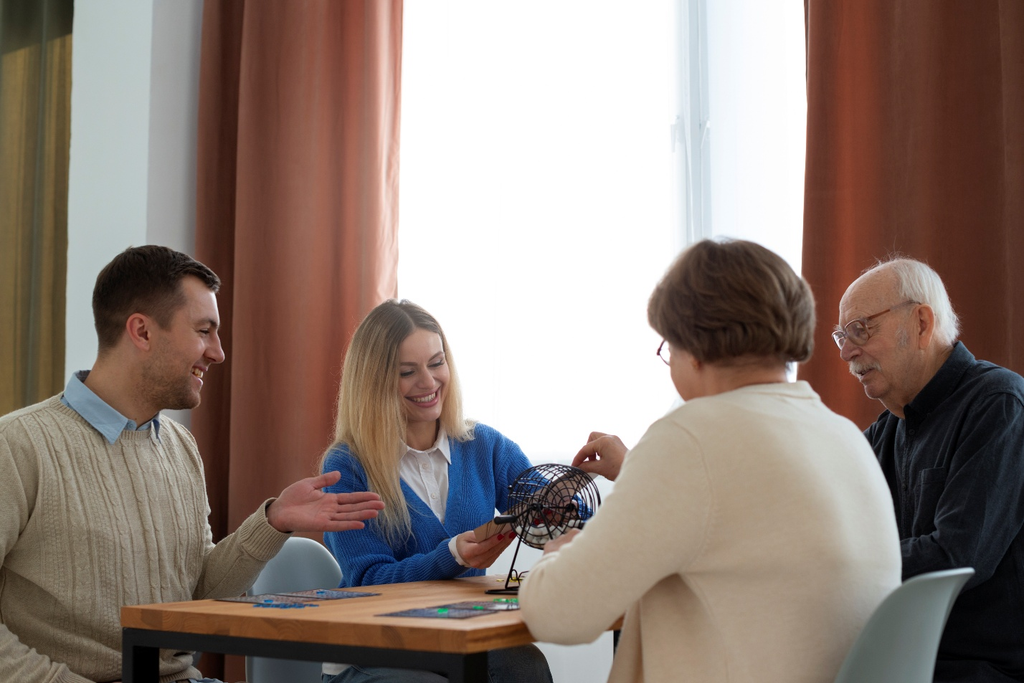
Caring for someone with Alzheimer’s disease is a journey filled with love, sacrifice, uncertainty, and emotional challenges. While caregivers often feel a deep responsibility to provide the best possible care, trying to carry the entire burden alone can lead to exhaustion, loneliness, and burnout. Building a strong support system is not a sign of weakness; it is an essential part of providing compassionate and sustainable care.
In Everything Is Going to Be All Right: A Faith Journey Through Alzheimer’s, Scott Yates shares his experience caring for his wife, Eleanor “Nell,” through the progression of Alzheimer’s. He describes caregiving as a “wilderness” where human strength eventually reaches its limits and where caregivers must learn to seek help, accept support, and rely on God’s strength.
Recognize That You Cannot Walk This Journey Alone
One of the first steps in building a support system is accepting that caregiving was never meant to be a one-person responsibility. Alzheimer’s affects not only the person diagnosed but also spouses, children, relatives, and close friends.
Scott Yates learned this lesson while caring for Nell. He writes that caregivers can become overwhelmed by trying to handle every responsibility themselves, believing their determination is enough. Over time, he realized that true strength came from surrendering the burden and seeking support.
A support system begins with the understanding that asking for help is an act of wisdom and love.
Identify People Who Can Offer Practical Help
Many people want to help Alzheimer’s caregivers but may not know what to do. Instead of waiting for others to recognize your needs, communicate specific ways they can assist.
Support may include:
- Preparing meals
- Helping with transportation
- Sitting with your loved one so you can rest
- Running errands
- Assisting with appointments
- Providing emotional encouragement
Yates describes how caregiver agencies, medical support, pharmacy services, and compassionate individuals became important partners during his caregiving journey. He reflects that these resources were part of the help God provided during difficult seasons.
Build a Circle of Emotional and Spiritual Support
Caregiving involves more than physical tasks. The emotional weight of watching someone you love change because of Alzheimer’s can be overwhelming. Caregivers need people who will listen, pray, encourage, and walk alongside them.
For Yates, faith communities and Bible study groups became an important source of strength. He describes how spiritual support helped him find peace, wisdom, and perseverance during painful moments.
Whether through a church, caregiver group, close friendships, or family connections, emotional support reminds caregivers they are seen and valued.
Accept Support Before a Crisis Happens
Many caregivers wait until they are completely exhausted before reaching out. Building a support system early creates stability before challenges become overwhelming.
Yates shares that he wished he had called hospice earlier and recognizes that accepting help sooner could have provided additional support. Planning ahead allows caregivers to make decisions with greater peace rather than during moments of crisis.
Remember That Supporting the Caregiver Supports the Loved One
A caregiver’s well-being directly affects the quality of care they can provide. Rest, encouragement, and assistance are not selfish—they allow caregivers to continue showing patience, compassion, and love.
Alzheimer’s may change memories, abilities, and daily routines, but it does not erase the importance of love and dignity. A strong support system helps caregivers continue honoring their commitment while also caring for themselves.

Conclusion
Building a support system for an Alzheimer’s caregiver requires humility, communication, and trust. No caregiver should feel pressured to carry an impossible burden alone. By accepting help from family, friends, professionals, and faith communities, caregivers can find strength for each day.
Scott Yates’s story in Everything Is Going to Be All Right reminds caregivers that difficult seasons do not mean they are abandoned. Through love, support, and faith, caregivers can discover hope even in the middle of the storm. As Yates writes about his journey with Nell, the greatest source of strength came from trusting that God walks alongside them through every challenge.
Find Hope and Encouragement in Everything Is Going to Be All Right
If you or someone you love is walking through the challenges of Alzheimer’s caregiving, Scott Yates’s book, Everything Is Going to Be All Right: A Faith Journey Through Alzheimer’s, offers a heartfelt reminder that caregivers are not alone.
Through honest stories of marriage, loss, faith, and perseverance, Yates shares how he cared for his wife Nell while learning to trust God through the painful realities of Alzheimer’s disease. The book explores the emotional struggles caregivers face, the importance of accepting help, and the hope that can be found even during seasons of suffering.
Whether you are a spouse caregiver, family member, friend, or someone seeking encouragement for a loved one facing dementia, this book provides a message of comfort: even when the journey is difficult, hope remains, love endures, and everything can be all right. Get your copy today!